
Ukash Casinos in the UK: What the Cashier Shows
 Available in GB
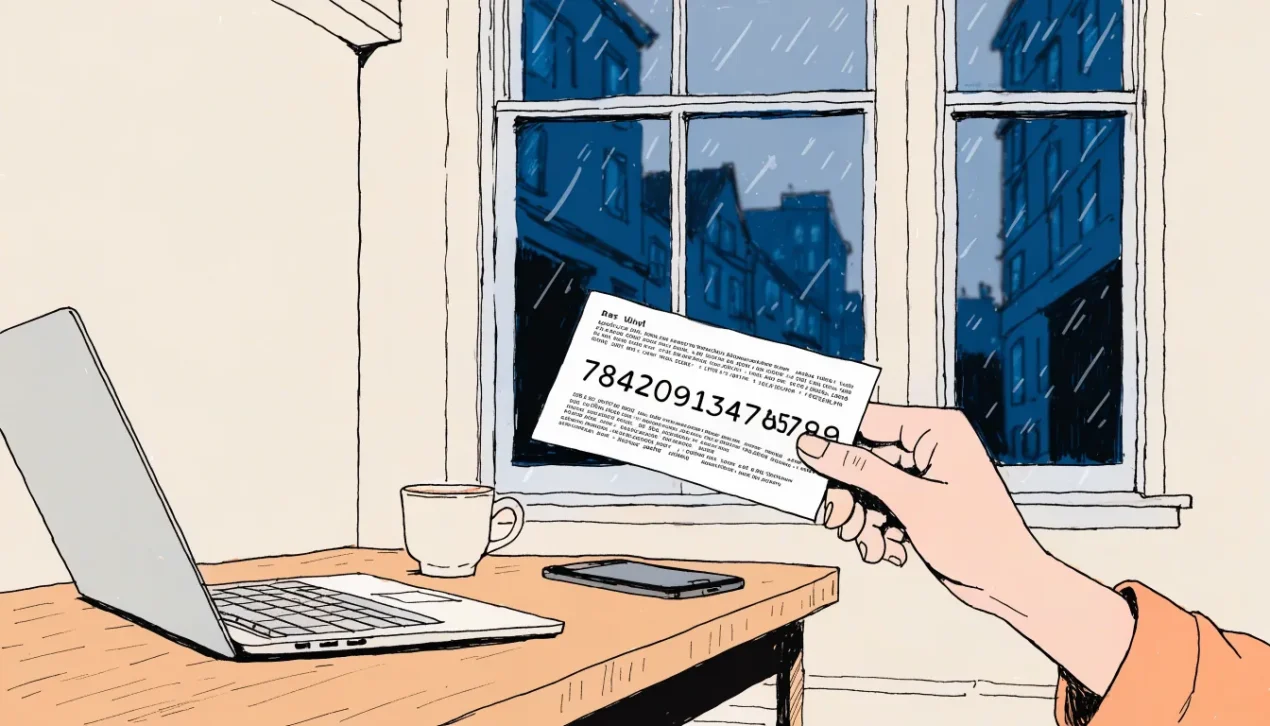
A casino’s listed payment methods show which routes it offers; a prepaid alternative does not prove that Ukash is accepted.
Why a Ukash Search Leads to a Different Cashier
A person looking for a prepaid way to fund a casino account may arrive with one particular name in mind: Ukash. The cashier, however, is organised around the payment methods it actually displays, not around every name associated with prepaid money. That difference matters. A search for a Ukash casino in the UK does not, by itself, establish that a casino offers Ukash, or that another voucher with a similar purpose can be used in its place.
The practical choice begins at the payment screen. There, a deposit method is a specific route with its own terms, not a broad promise that all prepaid products are interchangeable. Paysafecard is a confirmed prepaid voucher for casino deposits, but it is deposit-only. Its presence as a prepaid option does not demonstrate that Ukash is available, and it does not turn the cashier into a general-purpose voucher counter.
That distinction can feel smaller in a search result than it is in a transaction. Someone may be interested in the features often associated with a prepaid payment: putting aside a set amount, avoiding a direct card entry, or using a voucher rather than a bank-linked method. Yet those intentions do not settle which named method a casino accepts. A payment route is usable only when the operator lists it and the account can complete the transaction under that route’s conditions.
Names carry history and expectation. A familiar label can survive in everyday language after the payment choices shown by a business have changed; it can also be used loosely to mean “voucher” when the cashier treats each product separately. Neither possibility proves anything about a particular casino. The careful reading is narrower: a prepaid method is not necessarily Ukash, and Ukash should not be assumed merely because a casino offers another prepaid voucher.
There is a useful difference between the question “Is there a prepaid deposit option?” and “Does this casino accept Ukash?” The first can have a confirmed answer in Paysafecard. The second has to be answered from the casino’s own cashier, where the exact method should appear as an available choice. A logo or an old description elsewhere is not the same as a method offered to an account at the point of deposit.

This is why the apparent mismatch between a Ukash search and a cashier can be so frustrating. The search begins with a remembered name; the payment page presents a current menu. The menu is the more relevant evidence for making a deposit, but it may not preserve the categories that shaped the original search. “Prepaid” describes a type of payment. It does not identify the voucher, guarantee acceptance, or say anything about withdrawals.
Paysafecard makes the boundary clear. It can be used for deposits, not withdrawals. That is a meaningful difference from a payment route that might serve both sides of an account balance. A deposit option answers only how funds may enter; it does not promise that winnings can return through the same channel. The label “prepaid” cannot fill in those separate terms.
The language of payment pages is practical rather than nostalgic. A cashier may name the service it supports and leave older or informal labels out altogether. Conversely, a page that mentions a name does not necessarily show whether it is available to every customer or for every transaction. The account’s own payment screen is where the distinction becomes concrete: the method must be present, selectable, and described for the intended use.
For a UK casino, the legal setting also gives the cashier a public-facing role. Remote gambling businesses serving the British market must hold the relevant Gambling Commission licence. That does not make every payment method available, nor does it validate a claim about Ukash. Licensing and payment acceptance are separate questions: one concerns permission to offer gambling to the market, the other the routes an operator makes available for deposits.
So the sensible frame is not a directory of casinos presumed to accept Ukash. It is a closer look at prepaid deposits and at the difference between a remembered payment name and a method actually offered. Paysafecard is a verified point of comparison, with a clear deposit-only function. It is not proof of Ukash acceptance. The cashier decides the narrower matter, one account and one operator at a time.
A small distinction. A real one.
Can Ukash Still Be Used for Casino Deposits?
A casino cashier can make prepaid payments look like a single family: enter a code, fund an account, begin playing. But the resemblance between two vouchers is not proof that they share a route into a casino. Ukash and Paysafecard are separate names, and one cannot stand in for the other merely because both are associated with prepaid spending.
For Ukash, the practical answer is that acceptance cannot be treated as established. A casino may display a payment logo on an old page, or a search result may preserve a claim long after a cashier has changed. Neither is the same as being able to select Ukash when making a deposit. The relevant test is the live payment menu attached to the account, where available methods are presented for that transaction.
That distinction matters because a payment method is not simply a label. It has to work at the point where funds enter the gambling account. If Ukash is absent from that menu, a mention elsewhere does not create a usable deposit route. If the name appears, the stated conditions still matter: the cashier must make the method available for the account and the intended transaction.

A different prepaid voucher does have a confirmed role. Paysafecard can be used to make casino deposits, but it is deposit-only. That describes its function; it does not imply that Ukash has the same status, that the two vouchers are interchangeable, or that either one is offered by every casino. Prepaid is a category, not a guarantee of shared acceptance.
This is where the phrase “Ukash alternative” needs care. Paysafecard is a distinct prepaid option, not a continuation of a Ukash balance and not evidence that a former Ukash route still exists. Choosing it means using Paysafecard where a casino offers it, under that cashier’s own terms. A voucher may feel like a close substitute at the shop counter; casino payment systems are less interested in family resemblance.
The difference also shapes expectations after a deposit. Paysafecard’s deposit-only status means it is not a route for receiving a casino withdrawal. A deposit method and a payout method need not be the same thing, and a prepaid voucher should not be mistaken for a complete account-payment loop. The cashier’s withdrawal options and its rules determine how funds can be paid out.
Does the answer change on mobile?
The device does not turn one payment brand into another. A mobile casino may present a compact version of its cashier, but a method still has to be listed and selectable there. A Ukash reference on a desktop page, in an old promotion, or in a general payment description does not establish that the mobile deposit flow accepts it. The screen changes; the underlying distinction does not.
Paysafecard
A confirmed prepaid voucher for casino deposits, but it is deposit-only.
Ukash
A familiar name that may no longer be available in a casino’s live payment menu.
The same applies to game type. Whether an account is used for online slots or live casino games does not make a voucher available by itself. Payment acceptance belongs to the cashier and account, not to the particular game being opened. A player moving from one section of a casino to another is still using the same deposit system.
That separation is easily lost in the language of casino pages. “Prepaid” sounds like a useful umbrella, while a logo can look like a promise. Yet the only meaningful claim is a specific one: this named method is available in this cashier for this deposit. Paysafecard can be described as a deposit voucher. Ukash cannot inherit that description by association.
There is a small social history in the persistence of these names. Vouchers offered a way to spend without presenting a bank card at the point of purchase, and their codes made the transaction feel tangible: a number held the value. Online casinos adopted the same vocabulary of ease, though their payment systems still depend on current arrangements between the operator and provider. Nostalgia is not a payment method.
So the question of using Ukash at an online casino is not answered by the presence of another prepaid voucher, or by a site’s general use of the word “voucher”. It turns on whether Ukash itself is offered in the live cashier. Paysafecard provides a separate, confirmed deposit-only option where available. The names remain distinct.
Casino Deposits Without Ukash: Other Payment Routes
When a Ukash route is not available, the alternatives are not all versions of the same thing. A debit card, an e-wallet and a bank payment each leave a different trail between the player and the casino. That matters not only when money goes in, but also when a withdrawal is requested. The useful comparison is therefore about the full payment path, not simply the button that makes a deposit.
Debit cards: familiar, but not credit
Visa and Mastercard debit cards are commonly accepted by UK casinos. They draw on money held in a bank account, rather than providing a credit facility. Credit-card payments for gambling are prohibited at UK-licensed casinos; the ban took effect on 14 April 2020 and remains in force. A wallet cannot be used to evade that restriction if it allows credit-card funds to be used for gambling.
A card can be a straightforward route when its holder’s details match the casino account. Using a payment method registered to the same person helps avoid basic ownership discrepancies becoming a source of delay. That does not settle the withdrawal question by itself: UK anti-money-laundering controls generally direct payouts back to the original payment source, and an alternative route may involve further checks.
A card deposit may reach the casino promptly while a payout takes several business days, according to a specialist casino review. The casino’s own approval process and account verification affect the wait. The visible payment button, in other words, is not a timetable.
E-wallets: speed and promotion conditions
PayPal is valued for speed and convenience. A specialist casino review has also reported that PayPal can be excluded from bonus eligibility. That is a condition to check against the specific promotion, not a universal rule: payment method and bonus terms may be treated differently by different casinos.
E-wallet promotion rules
PayPal is valued for speed and convenience, but a specialist casino review has reported that PayPal can be excluded from bonus eligibility. Always check the specific promotion terms.
Skrill and Neteller appear at some sites, but a specialist casino review reports that these e-wallets are often excluded from promotions. The distinction can be important where a bonus is part of the deposit decision. A payment may be accepted while the associated promotion is not available, so the cashier’s payment options and the promotion’s eligibility terms need to be read as separate conditions.
E-wallets should not be treated as interchangeable with bank accounts or vouchers. Their presence at one casino says nothing conclusive about another, and availability for deposits does not automatically establish that the same route can be used for withdrawals. The cashier’s stated withdrawal options and any closed-loop rules matter. Neat in theory; less so at checkout.
Bank-based payments: directness with practical variables
Open banking services and bank transfers can support instant deposits and fast withdrawals at many sites, according to a specialist casino review. The wording matters: these are possible features, not a promise about every operator or every transaction. Bank payments connect the gambling account more directly to the customer’s bank, but processing still depends on the casino’s approval and the status of the account.
A transfer may also be affected by bank cut-off times, weekends and currency conversion, as noted in a specialist payment review. A payment route that appears simple at the deposit stage can therefore behave differently when funds are returned. UK anti-money-laundering practice commonly favours sending withdrawals back to the original source, while a request to use another method can bring additional verification.

For any route, the practical checks are much the same: whether it is displayed in the casino cashier, whether it is permitted for both deposits and withdrawals, what fees may apply, and whether the account currency matches the payment. Costs can arise from the casino, the provider, the bank or a currency conversion, rather than from one obvious charge alone. There is no universally cheapest choice without knowing the transaction and its route.
Choosing between the alternatives
A debit card may suit a player who wants a familiar bank-linked method; an e-wallet may appeal where its speed and convenience outweigh possible promotion exclusions; a bank-based payment may make sense when the casino supports it and the account details align. None is a direct replacement for a prepaid voucher in every respect. Each has its own conditions, and none should be assumed available at a particular site merely because it is common elsewhere.
The most orderly arrangement is often one named account used consistently for deposits and withdrawals. It can reduce avoidable questions about ownership, though it cannot override a casino’s processing checks or the rules attached to a promotion. In Britain, licensed remote operators must also ask new customers to set a financial limit before the first deposit and make account-level limit controls accessible. Payment choice sits inside that regulated account, not outside it.
Prepaid Casino Deposits and Their Limits
A prepaid voucher has a narrow job in a casino cashier: it can fund a deposit. Paysafecard is a confirmed example, but it is not a route for withdrawing winnings. That distinction is easy to miss when “payment method” is treated as a single category. A method that gets money into an account does not necessarily bring money back out.
The appeal of a prepaid casino deposit is its separation from a bank card or account balance. Yet that separation does not make the voucher a complete payment system. It is a way to pay in, not a substitute for the casino’s withdrawal arrangements. Any expectation that a deposit method will also handle payouts needs to be checked against the cashier’s actual options.
Deposit and withdrawal are different functions
Paysafecard’s deposit-only status matters most when a player considers the whole path of funds rather than the first transaction. A voucher can serve at the point of entry, while a later payout may have to use another method permitted by the casino.
That is not an oddity of wording. Casinos operate payment systems with distinct rules for deposits and withdrawals, and UK anti-money-laundering controls commonly require funds to be returned to the original payment source. Where a prepaid voucher cannot receive a payout, the cashier’s other options and the operator’s process become important. Returning funds through another route may also involve additional verification.
The principle is plain. The details are not universal.
A voucher is not a withdrawal promise
The word “prepaid” can suggest that a transaction is self-contained: value is purchased, then spent. In a casino account, however, depositing and cashing out are separate events governed by different payment capabilities. Paysafecard can be used for the former; it should not be read as a promise about the latter.

This is why a deposit method should be assessed by function, not by the label attached to it. “Available” may mean available for deposits alone. The cashier should make clear which transaction type is supported, and the casino’s withdrawal terms should explain how a payout can be requested. A method shown beside the deposit button is not automatically available beside the withdrawal option.
The wider payment system can include cards, e-wallets and bank-based services, but their presence does not change what Paysafecard itself can do. Nor does the existence of other methods mean that every casino offers the same set. The relevant distinction is between a voucher that funds an account and a payment route capable of receiving a withdrawal.
Limits beyond the voucher
There is also a separate meaning of “limit” in British online gambling. Remote operators must ask new customers to set a financial limit before the first deposit and make account-level limit controls accessible. Those safeguards concern spending through the gambling account; they are not a feature of Paysafecard and do not turn it into a withdrawal method.
A prepaid deposit therefore has a clear boundary, while the casino account has its own controls and payout rules. The voucher answers one small question: how a deposit may be made. It does not settle how winnings can be withdrawn, what verification may be needed, or which other payment method the operator will accept. For those, the cashier and the operator’s terms remain decisive.
Prepaid Payments on Casino and Mobile Sites
A prepaid voucher can look like a simple bridge between cash and an online casino: value is bought in advance, then entered at the point of deposit. In practice, that description is only useful if the casino’s cashier actually offers the voucher. Paysafecard is a confirmed example of a prepaid method for deposits, but its presence cannot be assumed across every UK casino, website or mobile service.
The cashier is the practical dividing line. A payment method mentioned in a general page or an old promotional notice may not be available for a particular account. The options shown when logged in, together with the deposit terms attached to them, are more relevant than a broad claim that a casino supports prepaid payments. Availability can vary between operators; a familiar brand of voucher is not a universal ticket.
Mobile access adds another layer, but not a new promise. A casino opened in a phone browser may present the same account and cashier as its desktop site, while an app can have a different interface. In either case, the payment screen is where the available methods become concrete. A voucher should not be treated as accepted merely because the casino works on a phone or describes itself as mobile-friendly. The device changes the doorway, not necessarily the payment rules.
There is also a useful distinction between prepaid vouchers and other deposit tools that may appear beside them. Some UKGC-licensed casinos accept Apple Pay for deposits, but that does not make Apple Pay a prepaid voucher, nor does it establish that a particular casino offers it. Cashier labels matter: neighbouring options can serve different purposes, with different conditions.

A deposit method is not automatically a withdrawal method. Paysafecard is deposit-only, so a casino’s acceptance of it does not mean winnings can be paid back through the voucher. UK anti-money laundering controls commonly direct payouts back to the original payment source; closed-loop rules can therefore shape what happens after a deposit. The payment route needs to be understood as part of the account, not merely as a button that gets funds in.
The same attention applies before the first transaction. Remote gambling operators must verify a customer’s age before permitting a deposit, and UKGC rules require a financial-limit prompt before that first deposit, alongside accessible account-level controls. A lawful casino serving Great Britain must hold a UK Gambling Commission licence. These are less decorative features of the cashier than the payment logos, but they matter more.
Mobile convenience tends to make the transaction feel smaller than it is. A screen can compress a payment into a few taps; it cannot remove the operator’s checks or turn a deposit-only voucher into a payout route. The sensible reading of any payment page is therefore literal: identify what is offered, what it can be used for, and what the account must satisfy. No logo should do the thinking.
What Happened to Ukash—and What the Evidence Can Establish
Questions about Ukash’s disappearance often arrive bundled with two others: when it ended, why it ended, and what took its place in Britain. They sound like parts of one story. They are not. A payment service’s history, the reason for a change, and the availability of another voucher are separate claims, each requiring its own evidence.
A name appearing beside a casino payment method does not, by itself, establish a timeline. Nor does a cashier showing another prepaid option prove that the second service inherited Ukash’s role. “Replacement” can mean a formal successor, a product acquired or renamed, or simply another way to pay that someone now considers comparable. Those meanings are easy to blur and difficult to recover once a page has been copied and recirculated.
The distinction matters especially for casino deposits. A prepaid voucher may occupy a similar place in a cashier without sharing Ukash’s history, ownership or terms. Paysafecard, for instance, is a prepaid voucher that can be used for deposits only. That establishes what kind of payment option it is; it does not establish that it replaced Ukash, or explain why Ukash ceased to be offered.
The word “why” invites a tidy account: a business decision, a change in ownership, a regulatory shift. But a plausible cause is not a documented cause. Without reliable dated records that connect the decision to its explanation, selecting one would turn a gap in the story into a confident little fiction. Payment histories are particularly prone to this treatment. A product vanishes from a cashier, another remains, and the sequence is made to look like proof of succession.
A careful account would need to distinguish the service’s own history from casino-by-casino payment listings. A dated company announcement could help establish a change in ownership or operation; archived terms or operator notices could show when a particular cashier stopped displaying a method. Neither, on its own, would establish every part of the story. A casino removing a payment option is evidence about that casino, not necessarily about the service as a whole.

The same caution applies to claims that one voucher “took over” from another. Similar use is not succession. A deposit-only voucher may answer a practical need for prepaid funding while offering no route for withdrawing winnings. That limitation makes it especially important not to treat a shared category as proof of a shared history.
So the restrained account is also the more useful one: Paysafecard is a prepaid deposit option, but its presence does not settle Ukash’s past. A firm date, a stated reason for discontinuation, or a confirmed replacement should rest on records that actually support those claims. Until then, the gap remains a gap. No neat ending.
Top online casinos in the UK
- SpinFormulaBonus: 550% Up To £15,000 + 550 FS · Payout speed: 1-3 business days
- SlotoSportBonus: 500% up to £ 10 200+ 777 FS · Payout speed: 1-3 business days
- Revery PlayBonus: 100% up to€1,000+ 100 FS · Payout speed: 1-3 business days
- AmunbetBonus: Join now and get 450% up to 2,700 GBP + 450 FS · Payout speed: 1-3 business days
- BeOnBetBonus: 100% up to €500 + 100 FS · Payout speed: 1-3 business days
- JetsetspinsBonus: 200% Bonus + 100 Free Spins + Free Royal Wheel · Payout speed: 1-3 business days
- NightWinBonus: £900 + 400 free spins · Payout speed: 1-3 business days
- x3betBonus: Welcome Pack 100% Up to £1.000 + 200 Free Spins · Payout speed: 1-3 business days
- ZombillionBonus: Welcome Pack 250% up to £4000 + 200 FS · Payout speed: 1-3 business days
- BritsinoBonus: Welcome Package – Get your £2,200 + 2,000 FS · Payout speed: 1-3 business days
Finding Ukash References on Online Casino Pages
A page carrying a Ukash label can look like a useful shortcut: one name, one payment route, a promise of a familiar kind of prepaid deposit. But a label on a casino page is not the same thing as an option available in its cashier. Payment menus change, and a general page may remain visible after its practical details have changed. The cashier is where the operator presents the methods available for that account.
That distinction matters when looking for online casinos associated with Ukash. A directory that repeats names without showing what each cashier currently offers can turn an old reference into a present-tense claim. It may also blur two different things: a casino mentioning a payment brand and a player being able to select that method for a deposit. Those are not interchangeable.
Do
- Open the casino’s live cashier.
- Look for the payment method by its specific displayed name.
Don’t
- Assume a voucher is accepted because of a general “prepaid” label.
- Rely on old descriptions or logos found elsewhere on a site.
The confirmed prepaid comparison is Paysafecard. It is a voucher used for deposits only. Its presence at a casino would establish a deposit option, not that Ukash is accepted, nor that the two vouchers can be treated as substitutes. Prepaid describes a broad way of funding an account; it does not make every voucher part of the same payment system.
A useful check is therefore narrow. Open the casino’s cashier, look for the payment method by its displayed name, and confirm that it appears among the deposit choices. A Ukash reference elsewhere on the site cannot answer that question by itself. Nor does a listing for Paysafecard settle it: the names and payment arrangements remain distinct.
This is less satisfying than a neat list of Ukash casino sites. A list suggests certainty, while payment information is tied to the individual operator and its current cashier. A page can be a lead, but the actual payment menu is the evidence relevant to a deposit.
The UK’s regulated gambling framework also makes the identity of the operator consequential, not decorative. Remote gambling licensees serving the British market need the relevant UK Gambling Commission licence. A payment label does not establish that status. In practice, the useful record is specific: the operator, the licence position, and the method actually offered in the cashier.
A familiar name may survive on a page long after its usefulness has become uncertain. The cashier is less evocative, but more exact.
Is Ukash Still Available or Accepted?
Ukash’s availability in the UK and its acceptance by a casino are separate questions. The first concerns whether the payment product can still be obtained and used; the second concerns whether a particular remote gambling licensee offers it in its cashier. An answer to one would not settle the other. A payment brand can exist without being supported by a casino, while a casino’s list of payment methods cannot establish that a voucher is currently available to buy.
That distinction matters because names on payment pages can outlive the arrangements they once described. A mention of Ukash, by itself, does not show that the service can complete a present-day deposit. Nor does the absence of a reference on one casino’s page establish that Ukash is unavailable throughout the UK. Availability is not a universal switch.
Paysafecard offers a useful comparison, but only a limited one. It is a prepaid voucher used for deposits only. Its presence as a recognised casino payment method says something about Paysafecard; it does not demonstrate that Ukash remains in circulation or that any casino accepts it. Similarities between prepaid products are not evidence of shared status. Names are not interchangeable.
For a casino, the practical point is narrower than the wider question about Ukash. Acceptance is specific to the payment methods displayed in that operator’s cashier, and those options may differ between sites. A general reference to prepaid payments cannot substitute for a named method appearing as an available deposit choice. If Ukash is not shown there, a nearby voucher brand does not fill the gap.
Is Ukash still available to buy?
Availability of a payment product in the UK is a separate matter from whether a specific casino accepts it.
Can I use Paysafecard for withdrawals?
No, Paysafecard is a deposit-only voucher and cannot be used to receive casino payouts.
The same care applies to claims about current availability in the UK. A casino listing is not proof that a payment product can be acquired; a payment product’s availability would not, on its own, prove that a casino accepts it. These are related facts, not the same fact. The cashier is the relevant place to establish an operator’s offered methods, while the voucher’s own availability is a separate matter.
Paysafecard, then, is a point of comparison, not a proxy answer. The distinction is small in wording and decisive in practice.
Checking a Casino’s Ukash Payment Claims
A Ukash reference on a casino page is a claim to verify, not a payment route established by its presence in a headline, logo or old-looking list. Payment pages can outlive the cashier arrangements they describe; the practical question is whether the method appears among the options currently offered for that account.
The cashier is the decisive point of comparison. A page may name a voucher without showing that it is available for a deposit, while a cashier may present a different set of methods from the one described in general promotional copy. These are not equivalent forms of evidence. A claim becomes useful only when the named method and the transaction it is supposed to support are clear.
Paysafecard offers a distinct point of reference, not confirmation of Ukash. It is a prepaid voucher used for deposits only. That deposit-only role should not be transferred to another voucher merely because both are prepaid, nor should Paysafecard’s presence be read as proof that a casino accepts Ukash. Similar packaging, different payment identity. A small distinction with practical consequences.
The wording of a casino’s payment information also matters. A page that mentions Ukash in passing may be discussing an earlier arrangement, an unavailable method or a broader category; without the method appearing in the current cashier, the claim does not establish that a deposit can be made that way. Clear information separates a named method from the transactions it supports.
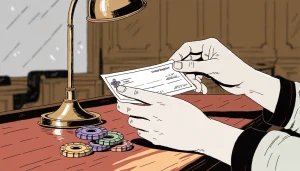
For Ukash-related claims, the sound test is therefore narrow: compare the casino’s published payment description with the options actually displayed in its cashier, and treat Paysafecard as its own deposit-only voucher. A payment logo is not a transaction.
Casino Payments in 2026: What Is Verified
A casino cashier in 2026 is better understood as a changing set of routes than as a permanent catalogue of familiar brands. A specialist review describes Skrill as one of the most common deposit methods at UK-friendly casino sites. That makes it a recognisable present-day option, not a guarantee that every operator offers it or that it carries the same terms everywhere.
The same kind of review reports Jeton at a handful of UK online casinos. Its presence is narrower, and still belongs to the individual cashier: a method listed on one site cannot be assumed to appear on another. Payment menus are practical details, not a shared national standard.
Neither name is another spelling for Ukash. Skrill and Jeton are separate payment services; their appearance in contemporary casino payment lists says nothing about whether a casino accepts Ukash. That distinction matters because a search for an older prepaid name can lead to a present-day cashier whose options have changed, while the original label remains in circulation on pages and in recollection.
The sensible measure of a payment claim is therefore its exact scope: which service, which operator, and whether it is currently displayed for the account in question. A general review can describe a pattern, but the cashier determines what is offered at a particular site. Deposit availability should also not be mistaken for withdrawal support; the two functions are not interchangeable.
The UK’s regulated market gives this small interface a larger significance. Payment choice is not merely a matter of brand recognition: it is part of how a licensed operator handles account funding. Familiar names endure. Their availability does not.
Why can a fast payout casino still delay my withdrawal?
Because the casino must approve the withdrawal internally, and a first payout may take longer while verification is completed. Your account’s verification status can also affect the speed.
Do UK casino withdrawals require verification?
Verification may be needed, particularly for a first withdrawal, and completing it can affect how quickly the casino approves the payout.
Which payment methods are accepted in Great Britain?
Common options include Visa and Mastercard debit cards, PayPal, bank transfers and open banking. Some sites also offer Paysafecard for deposits, or Skrill and Neteller.
Is Skrill available?
Yes. Skrill is offered by some UK-friendly casino sites and remains a common deposit option.
Related posts

UK Casino Welcome Bonuses: How Offers Work

VPN-Friendly Casinos in the UK: How Access Works
