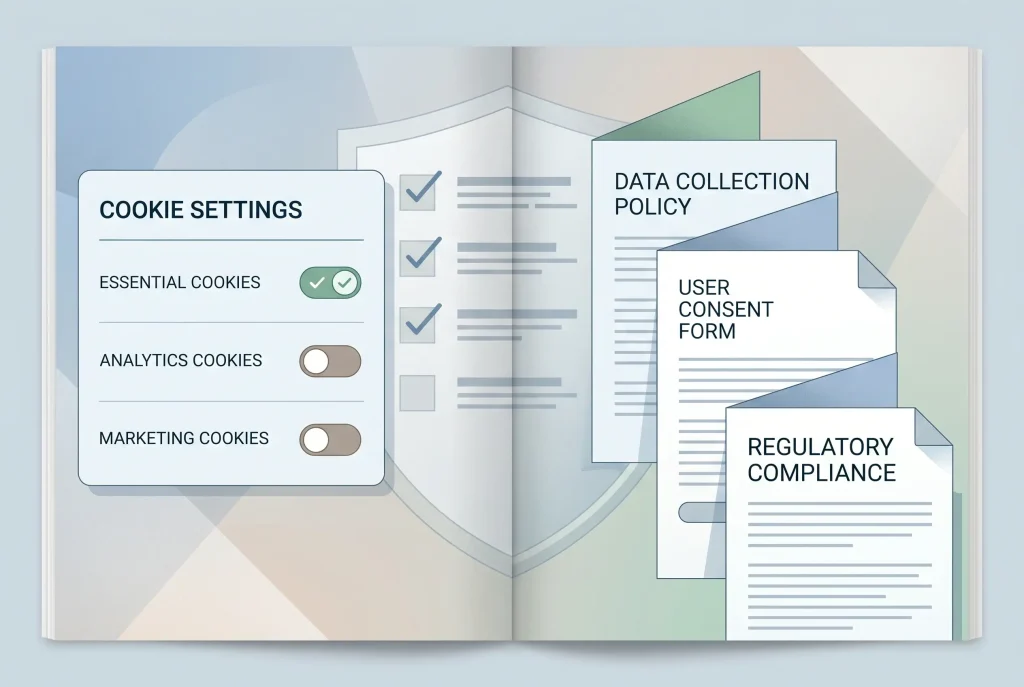
ID checks and withdrawals: what to expect
 Available in GB
Identity checks are part of licensed remote gambling. If a withdrawal stalls, the practical route is to read the terms, keep records and use the proper complaint path instead of looking for sites that promise fewer checks.
At a glance
- Licensed remote operators must obtain and verify identity information before a customer is allowed to gamble.
- Name, address and date of birth are part of that identity information; other lawful checks may also be relevant.
- A withdrawal delay should be handled through terms, records and complaint routes, not by chasing “no check” claims.
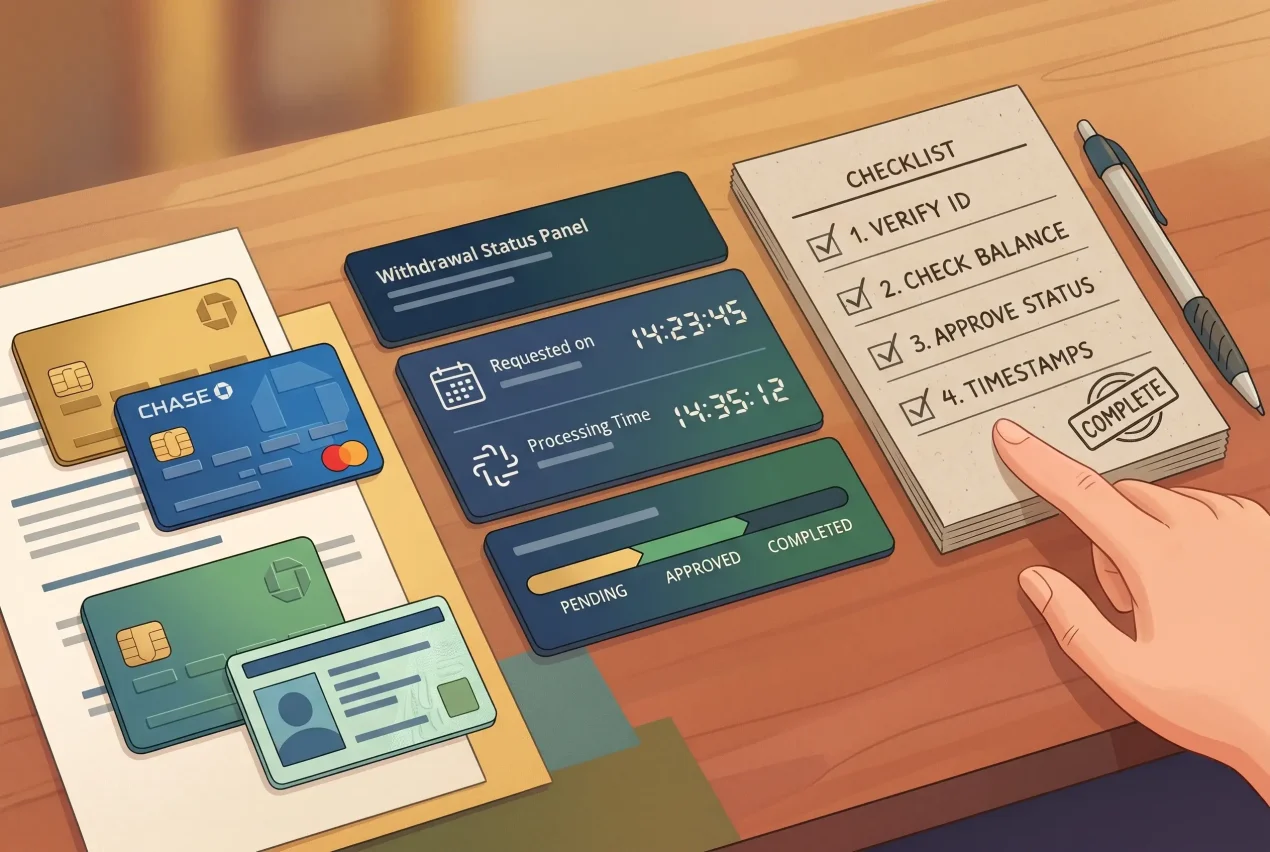
- Keep screenshots, timestamps and copies of messages if a cash-out becomes unclear.
If a withdrawal stalls, follow the complaints routes.
Identity checks
Verification is not just a cash-out issue
For licensed remote gambling, identity verification must happen before a customer is allowed to gamble. The licence condition includes name, address and date of birth, and it does not prevent other information being requested where another legal duty requires it.
That matters because “no verification” claims can sound convenient but remove important protection. The better question is whether the site explains what it checks, when it checks it, and how withdrawal requests are handled.
Simple rule: clear verification before gambling is a trust signal. Confusing checks that appear only at cash-out need careful handling and good records.
Withdrawal delay
Decision path when a withdrawal is delayed
Check the terms and your verified details. Note what the site said before you deposited and what it already asked you to provide.
Keep screenshots and timestamps. Save requests, replies, account messages, withdrawal screens and relevant rules.
Ask for the specific reason. Request the rule or legal requirement the operator says it is relying on.
Use the formal complaint route. If the answer is unclear or unresolved, move from general support chat to the operator’s complaint process.
Consider ADR only when relevant. Alternative dispute resolution may be available for eligible unresolved complaints after the required route has been used.
Withdrawal requests should not be used to ask for information that could reasonably have been requested earlier, unless another legal obligation means the information is needed at that time.
Useful records
Keep the evidence that helps you explain the problem
Before and during a withdrawal issue, save:
- the account name, operator name and domain shown on the site;
- the licence or register details you checked before depositing;
- the withdrawal request time, amount and status shown in your account;
- the exact identity or payment information requested;
- copies of messages, complaint submissions and replies.
Good records do not guarantee an outcome, but they make it easier to explain the issue clearly if you need to use a complaint route.
Safety boundary
The wider context is in our safety-first guide to sites outside GAMSTOP.
Do not treat “no checks” as a benefit
Do
- Check the licence and domain before depositing.
- Read verification and withdrawal terms before accepting an offer.
- Use complaints and ADR routes when a dispute is eligible.
- Review account history and limits if gambling is becoming hard to track.
Do not
- treat missing verification as a promise of easy withdrawals;
- send documents to a site whose operator or domain does not match official details;
- assume a later check is unfair without reading the rule being relied on;
- keep looking for another site if self-exclusion or loss of control is the real issue.
If the pressure is personal rather than procedural, use support options before making another gambling-related decision.
Related posts
Bonus terms and customer funds: checks before taking an offer

Getting help if gambling feels hard to control