
Privacy, cookies and marketing choices
 Available in GB
Before you share identity documents, payment details or contact information with a gambling-related website, check how the site explains data use, cookie choices and marketing pressure.
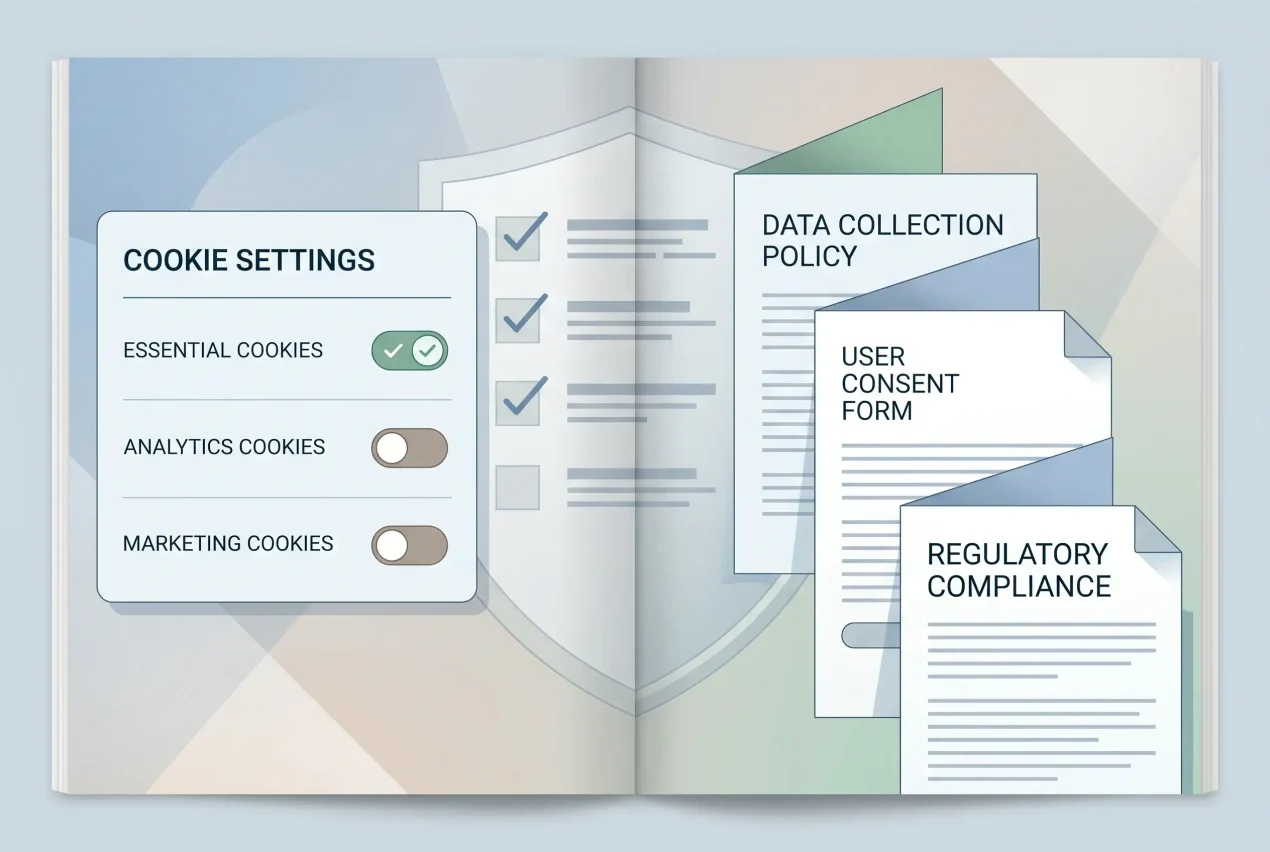
At a glance
- Privacy information should be clear before you create an account or upload documents.
- Non-essential cookies and similar tracking need proper attention; do not assume consent just because a banner appears.
- Marketing language around gambling should be responsible and should not push pressure, vulnerability or unrealistic promises.
- Unclear data use is a reason to pause before sharing identity or payment details.
Privacy notice
You should know who is using your data and why
A gambling-related site may ask for sensitive practical information: identity details, contact details, payment information, account records and marketing choices. Before sharing it, look for privacy information that explains who is responsible for the data, what it is used for and how people can exercise their rights.
If the privacy information is hidden, vague or disconnected from the operator details shown elsewhere, pause and verify the site before uploading documents or making a payment.
Trust signal: clear privacy information should be available before account creation, not only after you have already handed over personal details.
Cookie choices
A banner is not the same as meaningful choice
Cookies and similar technologies can support basic site operation, but they can also be used for analytics, advertising or profiling. ICO guidance treats non-essential uses as an area where consent expectations matter. That means a careful reader should look beyond the existence of a banner and check whether choices are clear.
Official ICO action involving a gambling operator shows why consent cannot be assumed. It should not be used to claim that every gambling-related site is doing the same thing; it is a reminder to read the current notice and controls on the specific site in front of you.
Practical boundary: if you cannot tell what tracking is optional, what is essential and how to change choices, do not rush into registration.
Advertising tone
Marketing should not push you into a vulnerable decision
Gambling marketing has specific social-responsibility rules. For a reader, the practical check is simple: does the page explain the offer calmly, or does it use urgency, unrealistic claims, pressure or loss-chasing language?
Marketing choices also matter after sign-up. If you cannot see how to change contact preferences, or the wording makes it feel hard to step away, treat that as part of the risk picture alongside offer terms and marketing claims.
Better signals
- clear terms before sign-up;
- plain explanations of marketing preferences;
- no pressure to deposit quickly;
- visible safer-gambling information.
Warning signs
- vague operator identity;
- cookie choices that are difficult to understand;
- promises that make gambling sound risk free;
- messages aimed at urgency, debt or chasing losses.
Useful block
Data and marketing check
- Can you see who operates the site and how to contact them?
- Is privacy information clear before account creation?
- Are non-essential cookies and similar technologies explained and controlled?
- Can marketing choices be changed without searching through unrelated pages?
- Does the advertising language avoid pressure, vulnerability and unrealistic promises?
- Do the operator identity details match the official register details you checked?
If any answer is unclear, stop before sharing identity documents, payment details or contact information.
Identity requests are explained in ID checks and withdrawals.
Security wording should be specific enough to be useful
Remote gambling technical standards include security requirements based on relevant sections of ISO/IEC 27001:2022. That does not mean a public page can prove a particular site is safe from a short slogan. It does mean security should be treated as part of the wider check: operator identity, licence details, privacy information, payment handling and support options.
When to pause
Pause if the site asks for documents or payment details before it clearly explains who it is, how privacy choices work and what protections apply. If the concern is linked to self-exclusion or pressure to continue gambling, read the GAMSTOP and protection checks before acting.
The wider context is in our safety-first guide to sites outside GAMSTOP.
Related posts

Bonus terms and customer funds: checks before taking an offer

Getting help if gambling feels hard to control