
Casino not on GAMSTOP: what to check before you share money or ID
The phrase often points to gambling sites outside GAMSTOP Online coverage. For readers in Great Britain, that is not a shortcut or a badge of quality. It is a reason to check licensing, terms, payments, identity rules and your own safety boundaries before taking any step.
- No casino rankings
- No bonus promises
- Official checks first
Loading...
At a glance
- A site being outside GAMSTOP coverage does not prove it is safe, legal for a GB consumer, or suitable for someone who has self-excluded.
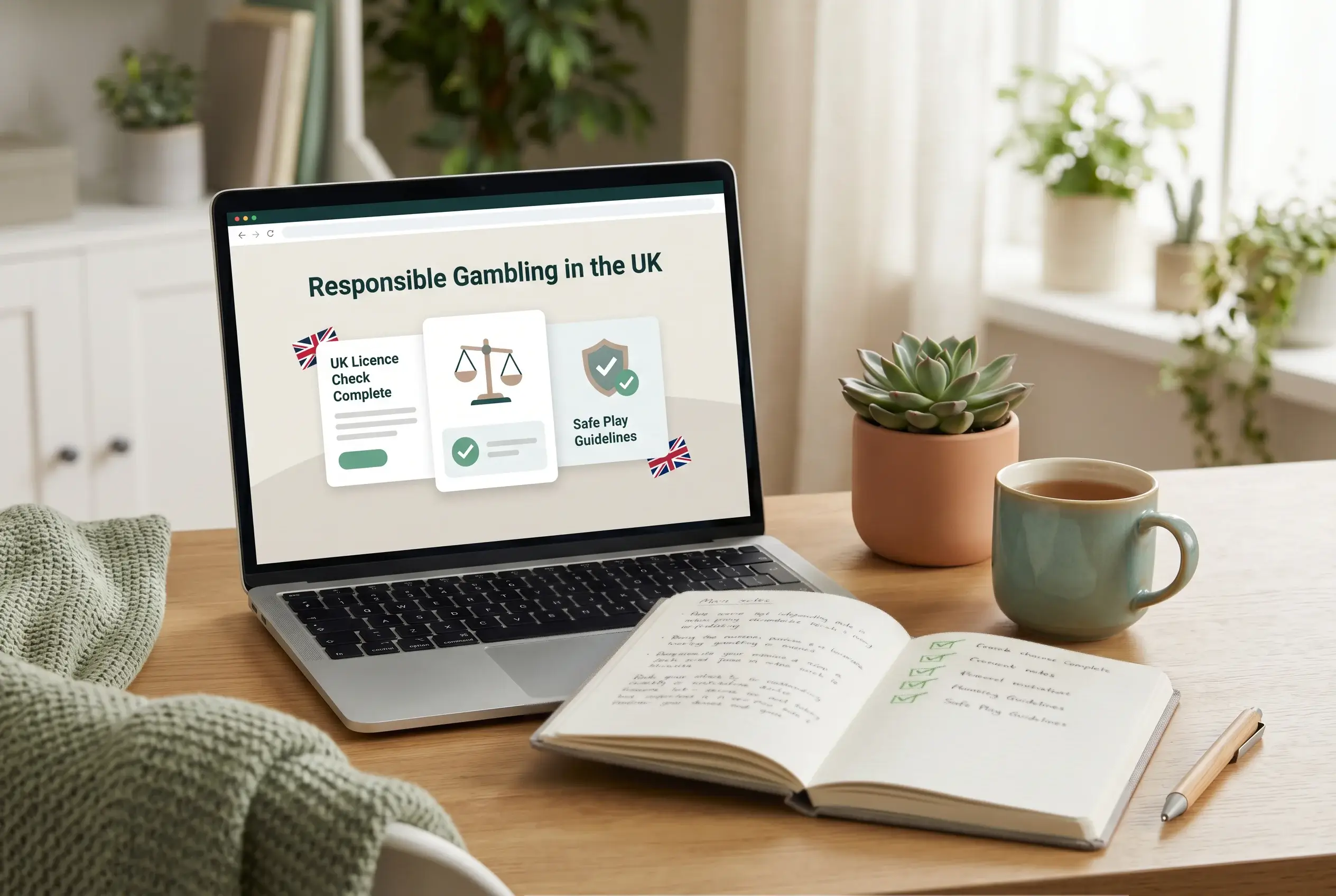
- GB-licensed online gambling companies are part of GAMSTOP Online, so the Gambling Commission register is the first practical check.
- Before depositing, compare the displayed licence, domain, trading name, terms, withdrawal rules, payment wording and complaints route.
- If you are self-excluded, chasing losses or feel unable to stop, support is the safer next step than looking for another site.
Meaning and boundary
What “not on GAMSTOP” changes in practice
GAMSTOP Online is connected to online gambling companies licensed in Great Britain. When a gambling website is promoted as outside GAMSTOP, the safer assumption is not “more freedom”; it is “more checking is needed”. A site can make confident claims on its own pages, but a reader still needs to verify the operator, domain and licence status through official channels.
There is also a personal safety boundary. GAMSTOP says an active exclusion cannot be cancelled early. If you are looking because an exclusion is in place, because losses feel urgent, or because gambling is becoming difficult to control, this guide points you towards support rather than ways around protection.

| Situation | What it means | Safer next step |
|---|---|---|
| GB-licensed online operator | Licensed online gambling companies in Great Britain are part of GAMSTOP Online. | Match the displayed licence details with the Gambling Commission register. |
| Foreign licence claim | A non-GB licence should not be treated as enough protection for a GB consumer. | Check whether the business is licensed for Great Britain and whether the domain matches. |
| Self-exclusion or loss of control | The commercial checks are less important than the protection boundary. | Pause gambling decisions and use support routes before doing anything else. |
Key takeaway
The label “not on GAMSTOP” should never be treated as a recommendation. It should trigger a careful licence check and, for anyone self-excluded, a safety pause.
Before you act
Checks before you put in money or identity documents
The practical question is not whether a site sounds attractive. It is whether you can confirm who operates it, which licence applies, what terms control your money, and what happens if something goes wrong. The steps below are designed to slow the decision down.
Match the operator details
Compare the website’s displayed licence status, trading name and domain with the Gambling Commission register of gambling businesses.
Read terms before depositing
Check withdrawal rules, bonus restrictions, dormant-account wording, complaint steps and how customer funds are described.
Expect identity checks
Licensed remote operators must verify identity before a customer is allowed to gamble. Treat “no verification ever” as a warning sign, not a convenience.
Think about your payment route
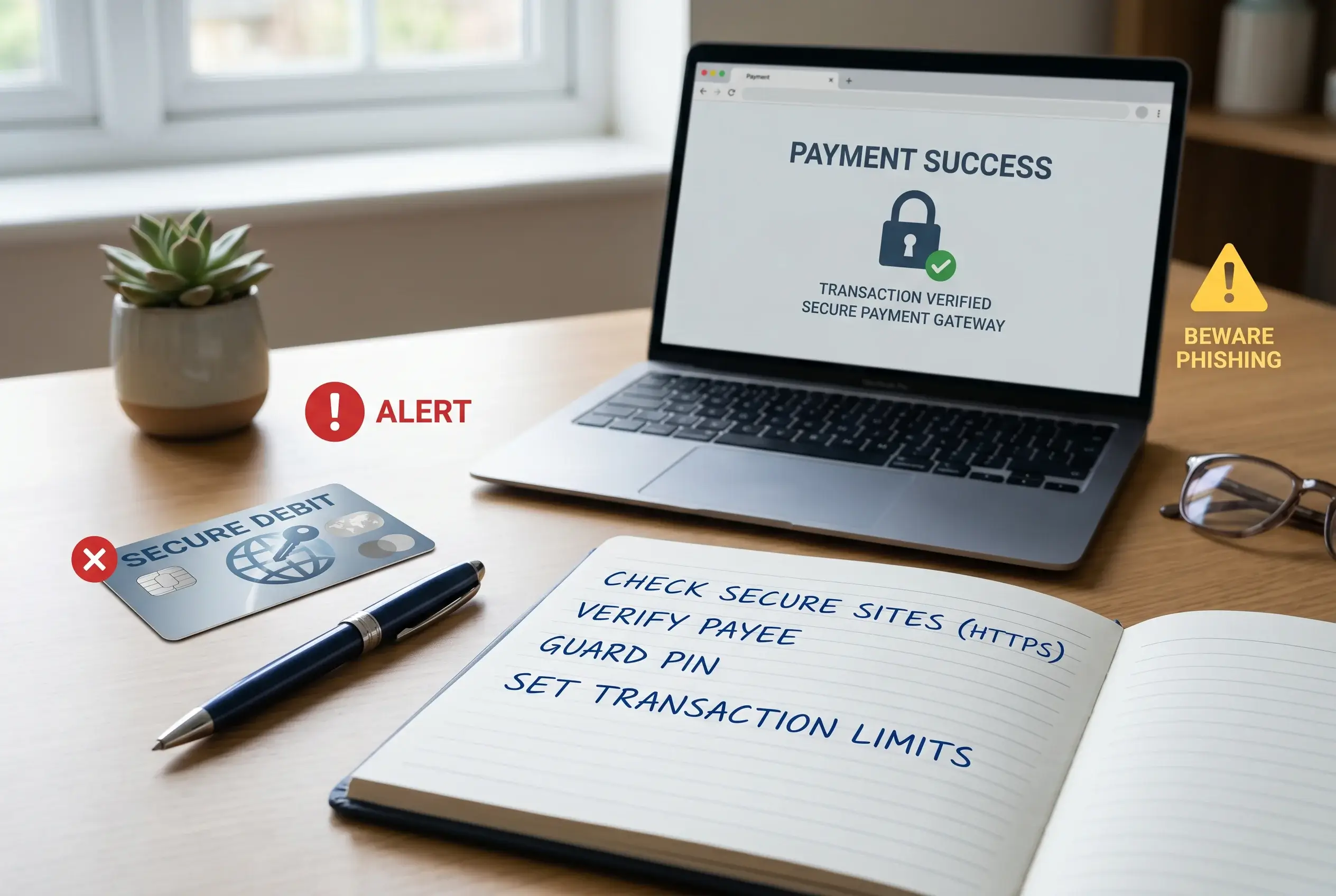
Relevant licensed operators must not accept credit-card gambling payments. Bank gambling blocks can add friction, but they should not be treated as complete protection.
Pre-deposit checklist
- The operator name, licence status and domain can be matched through the official register.
- The terms explain withdrawals, identity checks, bonus restrictions and customer-fund protection.
- The payment page does not conflict with GB rules on credit-card gambling.
- The site explains complaints and independent dispute routes where those routes apply.
- The privacy and cookie information is clear before you create an account.
Trust and risk
Commercial signs to treat carefully
Commercial gambling pages often compete for attention with speed, bonuses and loose promises. Those are not useful signals on their own. A better approach is to separate what can be checked from what only sounds appealing.
Lower-risk signals
- Licence status links to an official public register.
- Terms are easy to find before account creation.
- Identity, withdrawal and complaints steps are explained without pressure.
- Privacy, cookies and marketing choices are described clearly.
Warning signs
- “No checks” or “no questions” claims around identity or withdrawals.
- Bonus wording that hides restrictions until after sign-up.
- Pressure to deposit quickly or keep gambling after losses.
- No clear operator identity, domain match or complaint route.
Do
- Use official pages for licence and support checks.
- Keep records if you raise a complaint.
- Pause if a site makes gambling feel urgent.
Do not
- Treat a foreign licence claim as enough for Great Britain.
- Assume a fast withdrawal promise removes identity or legal checks.
- Use gambling as a way to fix debt or emotional pressure.
Money and records
Payments, limits, history and account controls
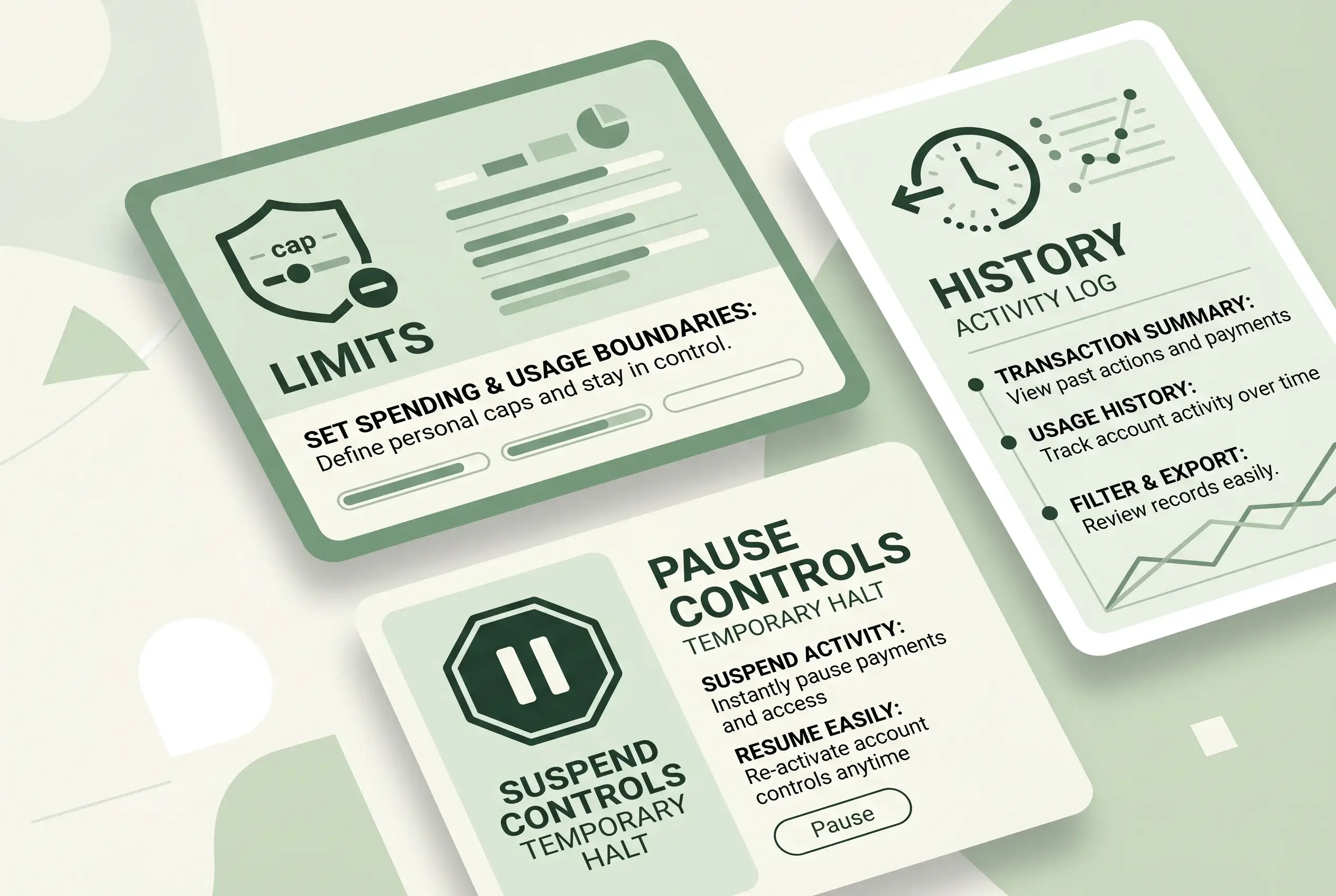
Money controls are not only about deposit limits. They include how clearly a site shows gambling spend before a commitment, how account history is made available, whether limits can be set, and whether your bank can add extra friction through a gambling-payment block.
Controls worth checking
Deposit, spend and loss limits can be relevant depending on the account tools offered.
Licensed remote customers must have easy access to at least three months of account and gambling history, with at least twelve months available on request.
Remote systems must clearly show money gambled and relevant transaction details before commitment.
Many banks offer gambling-payment blocks or spending controls, but no single tool should be treated as a complete safeguard.
A simple pause test
If you cannot clearly answer who operates the site, how the licence is verified, how withdrawals work, how your identity is checked, and how to complain, the decision is not ready. A slower check is safer than a rushed deposit.
When gambling feels hard to control
Support comes before commercial checks
If the reason for looking at casinos outside GAMSTOP is self-exclusion, debt, chasing losses, distress or feeling unable to stop, the safest next step is not another gambling site. It is support, friction and time away from the decision.

Verified UK support routes
The National Gambling Helpline is available on 0808 8020 133. GamCare also offers online support. GambleAware provides a get-help page and a service finder for Great Britain residents. NHS information explains that support and treatment are available for gambling problems.
For urgent emotional support, Samaritans can be contacted on 116 123. If there is immediate danger, call 999.
Not sure whether this applies to you?
A useful signal is pressure. If you feel rushed, secretive, upset about losses, or tempted to undo a protection you chose earlier, slow down and use support before making any account, payment or identity decision.
Focused next reading
The guide pages and what each one answers
Each page below deals with a different decision point, so you can move straight to the question you need without reading repeated material.
What “not on GAMSTOP” means in Great Britain
Explain the label without treating it as an advantage or an invitation to sidestep self-exclusion.
How to check a gambling website before you deposit
Give a practical verification route using official sources, without recommending or naming operators.
ID checks and withdrawals: what to expect
Explain why verification matters and how withdrawal friction should be assessed without promoting “no checks” claims.
Payments, credit cards and bank gambling blocks
Explain payment protections and red flags without describing workarounds around protective blocks.
Limits, account history and spending controls
Show what protective account tools and records can look like on licensed remote gambling systems.
Bonus terms and customer funds: checks before taking an offer
Explain offer terms and fund-protection checks without promoting bonuses or inventing terms.
Complaints, ADR and payment-related concerns
Separate gambling-business complaints, ADR, financial-firm complaints and suspected scam payments so the reader does not follow the wrong route.
Privacy, cookies and marketing choices
Explain what to check when a gambling-related website asks for data, uses cookies or promotes offers.
Getting help if gambling feels hard to control
Give verified UK/GB help routes and safer next steps without judgement or medical promises.
Common questions
Quick answers before you decide
Does “not on GAMSTOP” mean a site is safe or legal for a UK player?
No. It only says something about GAMSTOP coverage. For people in Great Britain, the safer first step is to check the Gambling Commission register, the displayed licence details, the domain and the terms before sharing money or identity documents.
Can a GAMSTOP exclusion be cancelled early?
GAMSTOP states that an active exclusion cannot be cancelled early. If that creates pressure to gamble elsewhere, support routes are a safer next step than looking for a way around the protection.
Should identity checks happen only when I withdraw?
Licensed remote operators must verify identity before a customer is allowed to gamble. A withdrawal can still involve checks where a legal duty applies, but routine information should not be held back until cash-out if it could reasonably have been requested earlier.
Are credit cards a normal payment option for licensed online gambling in Great Britain?
Relevant licensed operators must not accept gambling payments by credit card, including through a money service business. If payment wording sounds different, check carefully before using the site.
What if I am here because self-exclusion feels hard to stick with?
Pause gambling-related decisions and use support. The National Gambling Helpline, GamCare, GambleAware, NHS information, bank gambling blocks and urgent emotional support routes can all be relevant depending on the situation.